2026-11-10 · Carlos Mendoza
How To Check For Hidden Leaks In Older Fontana Properties
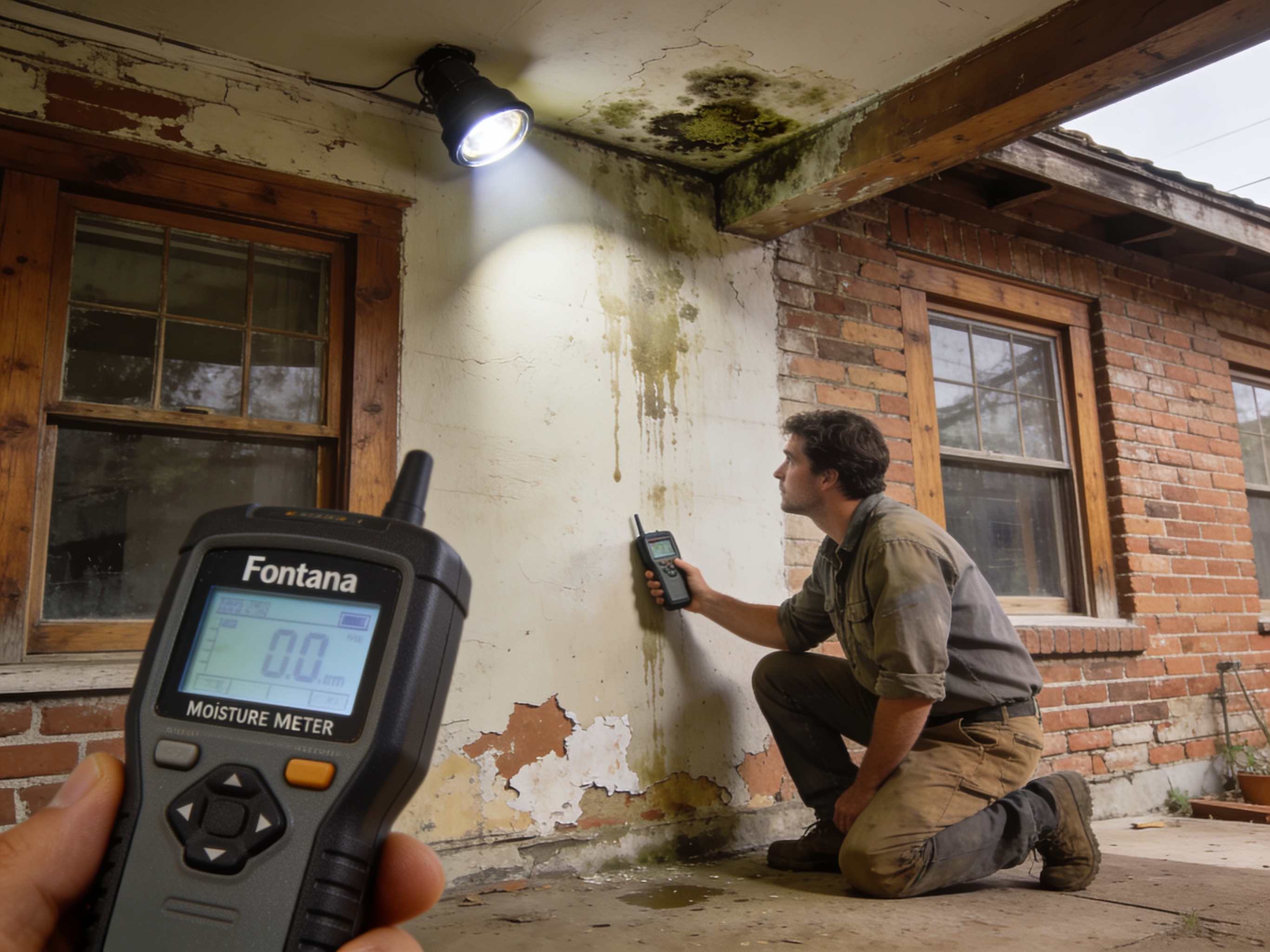
Start by shutting off all water-using fixtures and reading your main meter for two full hours; any movement signals a hidden leak somewhere in the supply lines common to pre-1980 homes scattered through North Fontana and near Fontana City Hall.
Meter and Pressure Testing Steps
Begin at the meter box outside the property line in older Downtown Fontana neighborhoods where galvanized lines from the 1960s still serve many single-story ranch houses. Record the reading, wait two hours with zero indoor or outdoor use, then recheck; even a one-gallon shift means water is escaping underground or inside walls. Next, attach a pressure gauge to an outdoor hose bib and watch for drops below 40 psi over 30 minutes, a frequent sign in South Fontana homes built on expansive soils that shift during the dry season. These tests take under an hour and require only basic tools most homeowners already own.
Common Leak Locations in Pre-1990 Construction
Walk through the crawl space or slab edges looking for damp soil or white mineral stains along pipe runs, especially where copper or galvanized lines enter bathrooms added during 1970s expansions near Auto Club Speedway. Check under kitchen sinks and behind washing machines for corrosion at joints, a pattern repeated in Rialto and Rancho Cucamonga homes of similar age because the same builders used the same materials. Inspect water heater closets for puddles or rust trails at the bottom of 40-gallon tanks that typically last 8–12 years before seams fail in the region’s hot summers. Pay extra attention to slab leaks under living rooms in North Fontana tracts where tree roots from mature landscaping push against shallow supply lines.
Tools That Reveal Moisture Behind Surfaces
Use a pinless moisture meter on drywall and baseboards around toilets and tubs; readings above 15 percent indicate active seepage that has not yet reached the surface in many San Bernardino County properties. Thermal cameras help spot temperature differences along walls where cold supply lines run, useful during the cooler winter months when indoor heating creates contrast. Listen with a mechanic’s stethoscope or even a long screwdriver pressed against pipes for the faint hiss of escaping water, a technique that works well in the quiet evenings typical of older Fontana neighborhoods. Document readings with photos and dates so you can track whether moisture levels increase after heavy winter rains.
Seasonal Factors That Worsen Hidden Leaks
Fontana’s hot-summer Mediterranean climate drives pipe expansion and contraction that loosens fittings over decades, especially in homes built before modern PEX lines became standard. Winter rains can raise the water table slightly in South Fontana, pushing more pressure against any existing cracks in older sewer laterals. Properties near the 10 freeway corridor often sit on fill dirt that settles unevenly, stressing rigid copper joints. Track your usage bill month to month; unexplained spikes of 20 percent or more during shoulder seasons usually trace back to these climate-driven issues rather than increased household activity.
When meter tests or meter readings stay consistent yet you still suspect problems, schedule a camera inspection of the main line through a licensed local restoration team. Their equipment maps exact leak locations without tearing up slabs, and they can coordinate with plumbers familiar with the housing stock throughout Rialto and San Bernardino. For full details on seasonal risks, see our guide on water damage from winter rains in Fontana homes. If moisture has already affected floors or drywall, review factors that influence water damage repair costs near Fontana before work begins. Contact Fontana Water Damage Restoration pros at 9030 Sierra Ave # D during Mon–Fri 8am–6pm or Sat 9am–2pm for on-site assessment when DIY checks point to a larger issue.